Blog Details
Visual Storytelling: Designing Brands That Speak
How illustration, typography, and color combine to tell powerful brand stories.

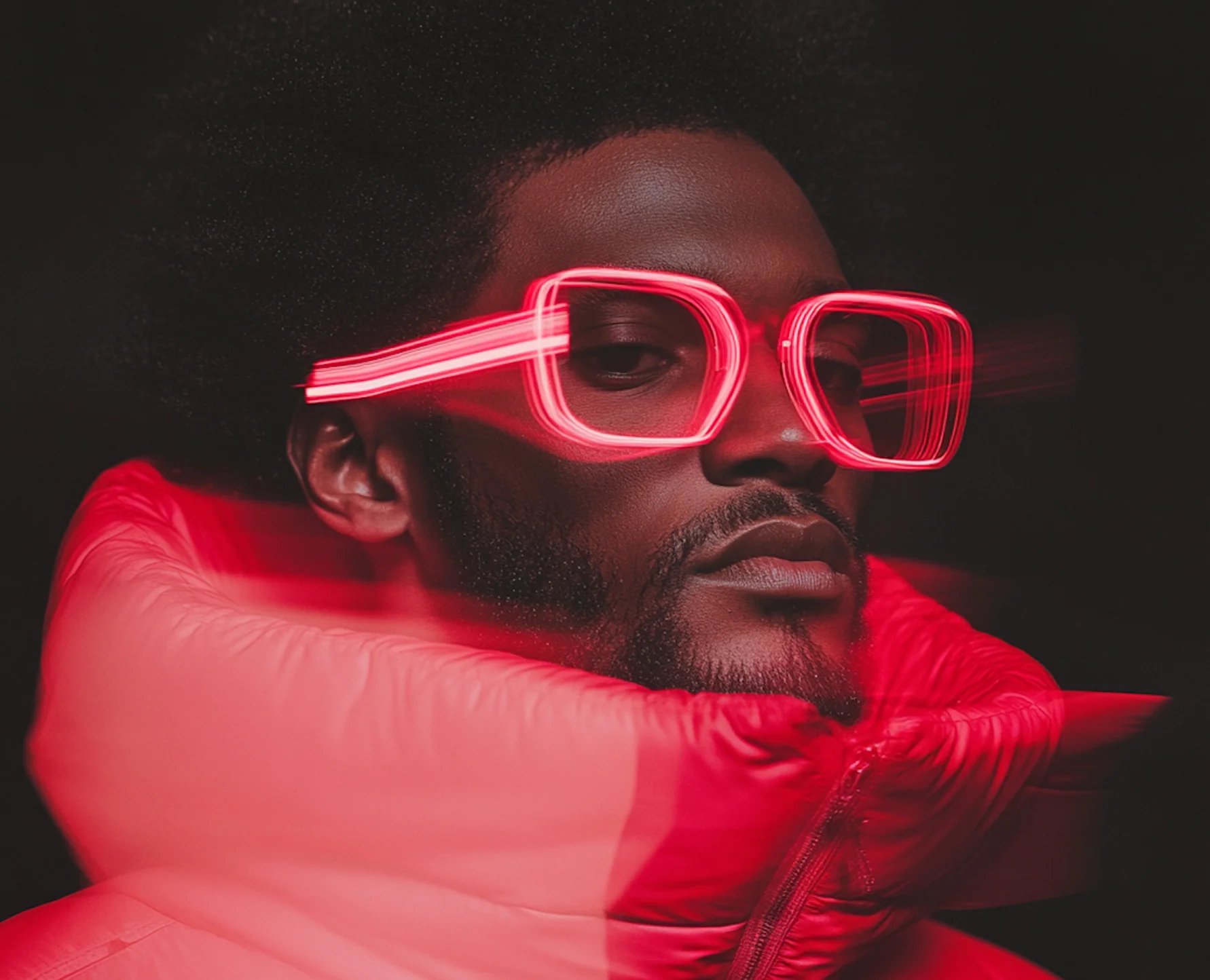
AI-Driven Personalization
Artificial intelligence is transforming user experiences by making interfaces smarter and more adaptive. From personalized dashboards to predictive content and dynamic layouts, AI enables products to respond to user behavior in real time—creating experiences that feel intuitive and human.
From personalized dashboards and content recommendations to predictive search and automated workflows, AI helps designers create interfaces that feel smarter and more responsive. The future of UI/UX lies in experiences that anticipate user needs before they’re even expressed.
Minimalism with Purpose
Minimalism continues to dominate—but with a more strategic approach. Modern minimal design focuses on clarity, hierarchy, and intent rather than simply reducing elements.
Whitespace, bold typography, restrained color palettes, and focused content allow users to navigate effortlessly. Every design choice serves a purpose, eliminating distractions while amplifying usability and brand voice.
Microinteractions & Motion Feedback
Small details create big impact. Microinteractions—such as button animations, hover states, loading indicators, and feedback responses—bring interfaces to life.
Motion design guides users through interactions, provides visual feedback, and adds personality without overwhelming the experience. When done right, motion feels natural, intuitive, and emotionally engaging.

Immersive 3D, Depth & Spatial Design
As devices become more powerful, designers are embracing depth, shadows, and 3D elements to create immersive interfaces. Glassmorphism, soft gradients, layered layouts, and spatial effects add realism and visual hierarchy.
These techniques create interfaces that feel tangible and modern—bridging the gap between physical and digital experiences.
Accessibility as a Core Design Principle
Accessibility is no longer optional—it’s essential. Future-focused UI/UX design prioritizes inclusivity by default, ensuring products are usable by people of all abilities.
This includes high-contrast color systems, scalable typography, keyboard navigation, screen-reader compatibility, and thoughtful interaction patterns. Accessible design benefits everyone—not just users with disabilities.
Ethical & Transparent UX
As data-driven products grow, users demand transparency and ethical design practices. Clear consent flows, honest UX patterns, and privacy-focused design are becoming critical expectations. Dark patterns are fading, replaced by trust-first design that respects user autonomy.
Final Thoughts
The future of UI/UX design is not defined by trends alone—but by how thoughtfully they’re applied. Successful digital products balance innovation with usability, technology with empathy, and aesthetics with strategy.
By embracing these emerging trends, designers and brands can create experiences that are not only visually striking but also meaningful, inclusive, and future-ready.
UI/UX isn’t just about how a product looks—it’s about how it feels, functions, and connects with people.